





When choosing between monitors or displays, the aspect ratio is a critical factor that directly impacts your user experience. Two of the most popular aspect ratios are 16:10 and 16:9. Each has its own strengths, weaknesses, and use cases, making it essential to understand their differences before making a decision.
This article provides an in-depth comparison of the two aspect ratios, highlights their benefits and drawbacks, and offers recommendations for different use cases.
What is Aspect Ratio?
The aspect ratio of a screen refers to the proportional relationship between its width and height. It is expressed as two numbers separated by a colon, such as 16:9 or 16:10.
For example:
- A 16:9 aspect ratio means the screen is 16 units wide for every 9 units of height.
- A 16:10 aspect ratio (also known as 8:5) means the screen is slightly taller, with 16 units of width for every 10 units of height.
Key Differences Between 16:10 and 16:9
1. Screen Height and Viewing Area
The primary difference between 16:10 and 16:9 is the extra vertical space provided by 16:10 screens. This increased height allows users to view more content vertically, which can be particularly useful for tasks like coding, video editing, or document processing.
| Aspect Ratio | Vertical Space (Compared to 16:9) | Viewing Area |
|---|---|---|
| 16:9 | Standard | Widely used in TVs, gaming, and media consumption. |
| 16:10 | ~11% more vertical space | Better for productivity and professional workflows. |
2. Resolution Availability
Resolutions for 16:10 monitors are less common as the industry has shifted towards 16:9 as the standard. However, 16:10 resolutions like 1920x1200 or 2560x1600 offer more vertical pixels compared to their 16:9 counterparts (1920x1080 or 2560x1440).
| Aspect Ratio | Popular Resolutions | Common Usage |
|---|---|---|
| 16:9 | 1280x720, 1920x1080, 2560x1440 | Gaming, movies, general use. |
| 16:10 | 1280x800, 1920x1200, 2560x1600 | Productivity, professional work. |
3. Use Cases
| Aspect Ratio | Best For | Why? |
|---|---|---|
| 16:9 | Gaming, movies, streaming, general home use | It matches the native aspect ratio of most media and is widely supported in games and videos. |
| 16:10 | Office work, coding, graphic design, photo editing | Extra vertical space provides more room for documents and tools, reducing the need to scroll. |
4. Availability and Market Trends
The 16:9 aspect ratio dominates the market, thanks to its widespread adoption in TVs, laptops, and gaming monitors. Most content, including movies and games, is optimized for 16:9, making it the more accessible option.
In contrast, 16:10 monitors are less common but are favored by professionals for productivity-focused tasks. Their rarity has made them more expensive and harder to find in recent years.

Advantages and Disadvantages of Each Aspect Ratio
16:9 Aspect Ratio
Advantages:
- Standardization: Most media content, games, and applications are optimized for 16:9.
- Cost-Effectiveness: Due to widespread adoption, 16:9 monitors are generally cheaper.
- Wide Selection: Numerous options in terms of sizes, resolutions, and price points.
Disadvantages:
- Limited vertical space can make multitasking and productivity tasks less efficient.
- Not ideal for professional workflows that require more height, such as coding or graphic design.
16:10 Aspect Ratio
Advantages:
- Extra Vertical Space: Ideal for professionals who need more screen real estate for vertical content.
- Improved Productivity: Better suited for applications like spreadsheets, video editing, and text-heavy work.
- Comfortable Viewing: The slightly taller screen reduces the need for excessive scrolling.
Disadvantages:
- Higher Cost: 16:10 monitors tend to be more expensive due to limited production.
- Less Media Optimization: Most videos and games are designed for 16:9, leading to letterboxing or black bars.
Which Should You Choose?
The choice between 16:10 and 16:9 depends on your specific needs and priorities. Here's a quick guide:
| Use Case | Recommended Aspect Ratio | Why? |
|---|---|---|
| Gaming and Media Consumption | 16:9 | Matches the native format of most games, movies, and TV shows. |
| Productivity and Multitasking | 16:10 | Extra vertical space improves workflow efficiency. |
| Casual Use | 16:9 | Affordable, widely available, and suitable for general tasks. |
| Professional Work | 16:10 | Better suited for specialized tasks like programming, design, and document editing. |
Final Thoughts
While the 16:9 aspect ratio is the standard for most users due to its affordability and compatibility with media, the 16:10 aspect ratio is worth considering for professionals who need extra vertical screen space for productivity.
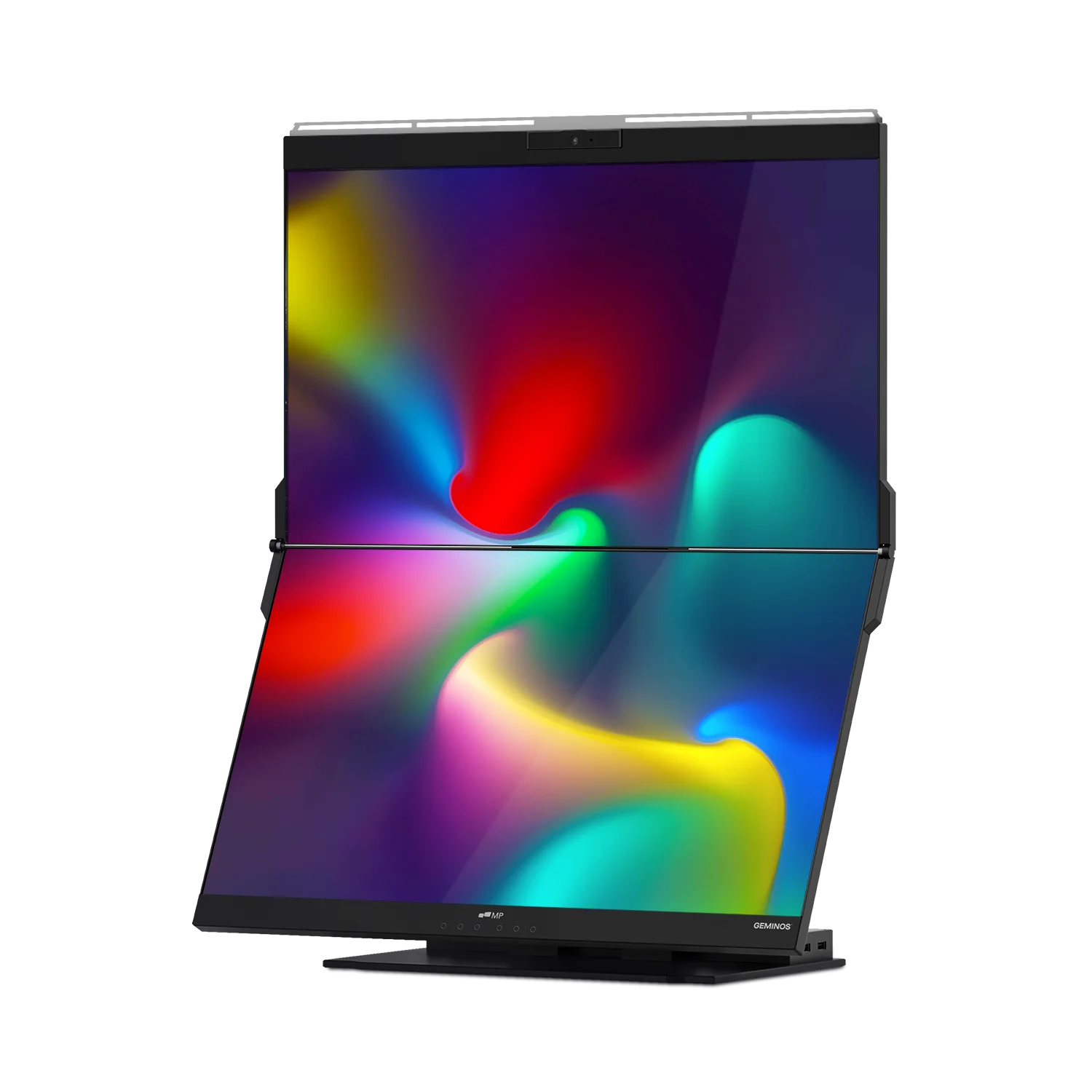
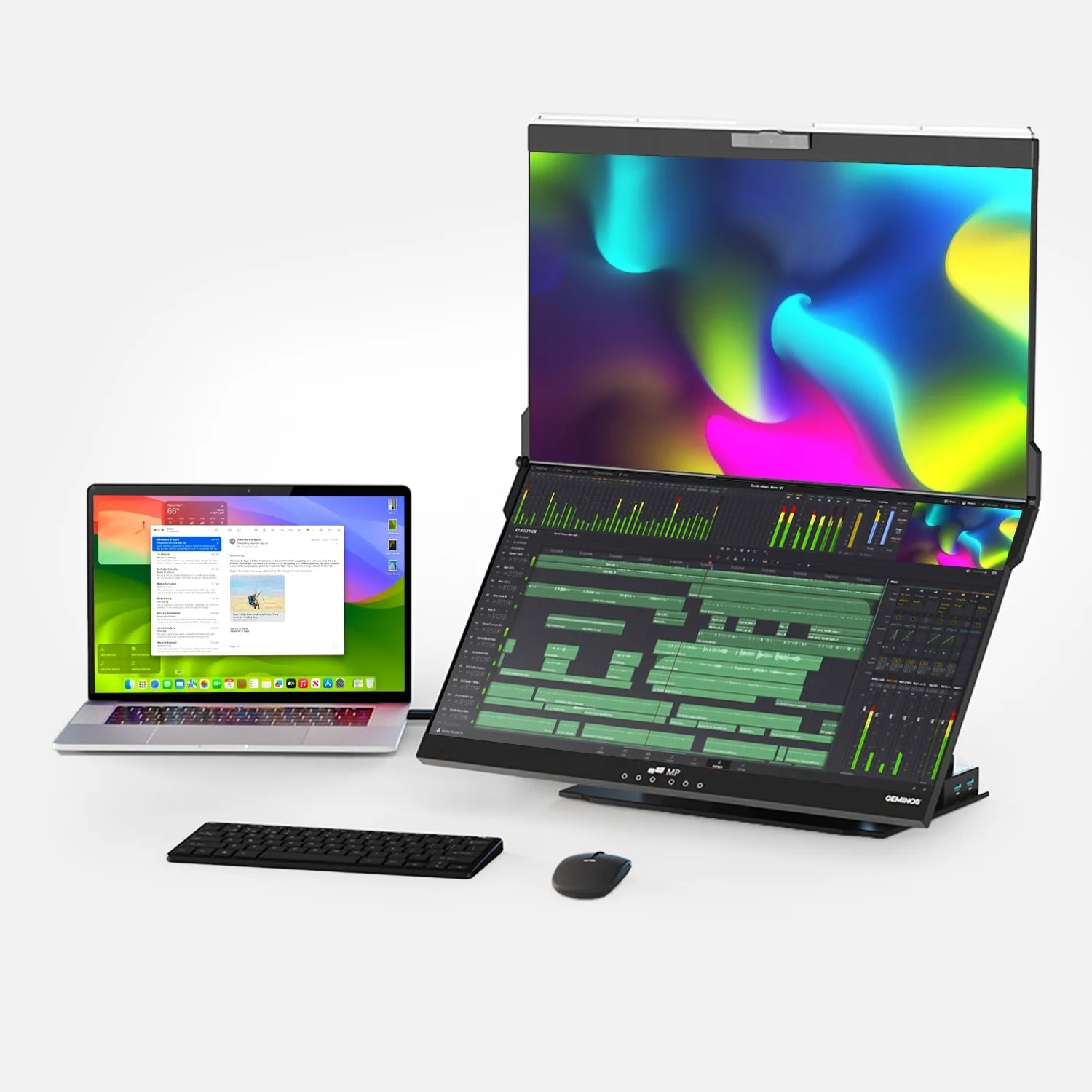
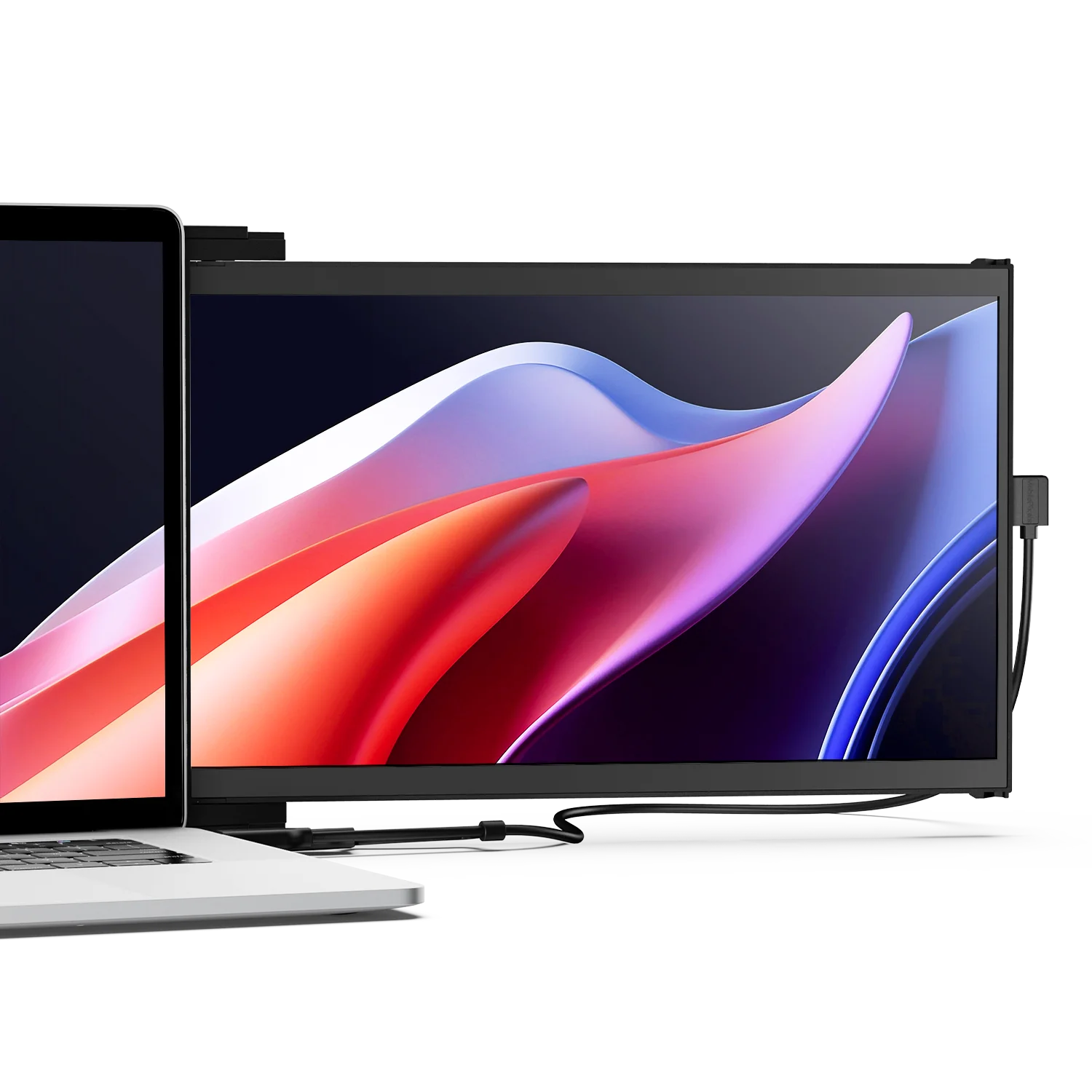
If you're looking for a high-quality monitor for professional or productivity-focused tasks, consider checking out Mobile Pixels Monitors. They offer innovative solutions designed to enhance your workflow and efficiency.
By understanding the differences between 16:10 and 16:9, you can choose the aspect ratio that best meets your needs and enhances your overall experience.
Discover Tech Gadgets




Leave a comment
All comments are moderated before being published.
This site is protected by hCaptcha and the hCaptcha Privacy Policy and Terms of Service apply.